- Steel Towers, Timeless Strength – Built to Endure, Designed to Inspire.

-
Weifang ,Shandong,P.R.C
-
-
Transmission Tower Design
Design

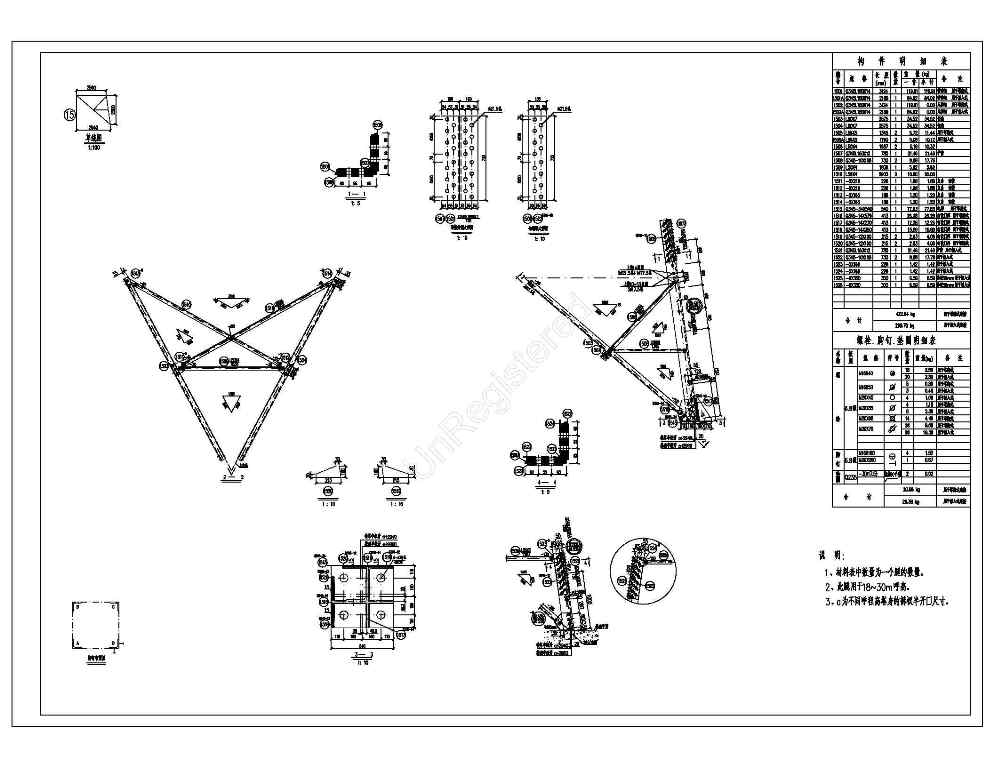
- Structural Requirements:The tower must be designed to withstand the mechanical loads imposed by the conductors and ground wires, including tension and weight.It should be able to handle environmental loads such as wind, ice, and snow.The structure must accommodate any thermal expansion and contraction of conductors.The tower should be designed for the expected lifespan, typically 30 to 50 years.
- Electrical Requirements:The design must ensure the electrical clearance requirements are met to prevent flashovers and to ensure safety.It should be designed to minimize electromagnetic fields around the tower.
- Foundation Requirements:The tower foundation must be designed to support the tower’s weight and the additional loads from wind, ice, and conductor tension.Foundations should be designed for the soil conditions at the site and may include deep foundations if the soil cannot support the structure on its own.
- Environmental Conditions:The tower must be designed to withstand the climate and weather conditions of the area, including temperature extremes, humidity, and seismic activity.It should be designed to minimize environmental impact and to be compatible with the local ecosystem.
- Transportation and Erection:The tower’s design must consider the ease of transportation to the site and the methods of erection.The tower should be designed to be divisible into transportable components if necessary.
- Safety and Accessibility:The structure must be safe for workers to access for maintenance and repairs.The design should include features that allow for safe climbing and working at height.
- Regulatory Compliance:The design must comply with local and national regulations and standards, including those set by relevant authorities for power transmission structures.
- Aesthetics:In some cases, especially near populated areas, the visual impact of the tower is considered, and efforts are made to design towers that are visually compatible with the surrounding environment.
- Maintenance:The design should consider the ease of maintenance, including the ability to inspect and replace components without extensive equipment or difficulty.
- Durability:The materials used should be durable and resistant to corrosion, especially in coastal or industrial areas.
Each of these conditions contributes to the overall design and must be carefully considered to ensure the tower’s functionality, safety, and longevity. The design process typically involves a team of structural engineers, electrical engineers, and environmental specialists to address these diverse requirements.

If you need professional product quotations, technical & construction support, please email to us or submit the following sheet, we will contact you in 24 hours and pls check your emailbox. Your connection information will just be known by ourselves.