- Steel Towers, Timeless Strength – Built to Endure, Designed to Inspire.

-
Weifang ,Shandong,P.R.C
-
-
Telecommunication tower design
Design
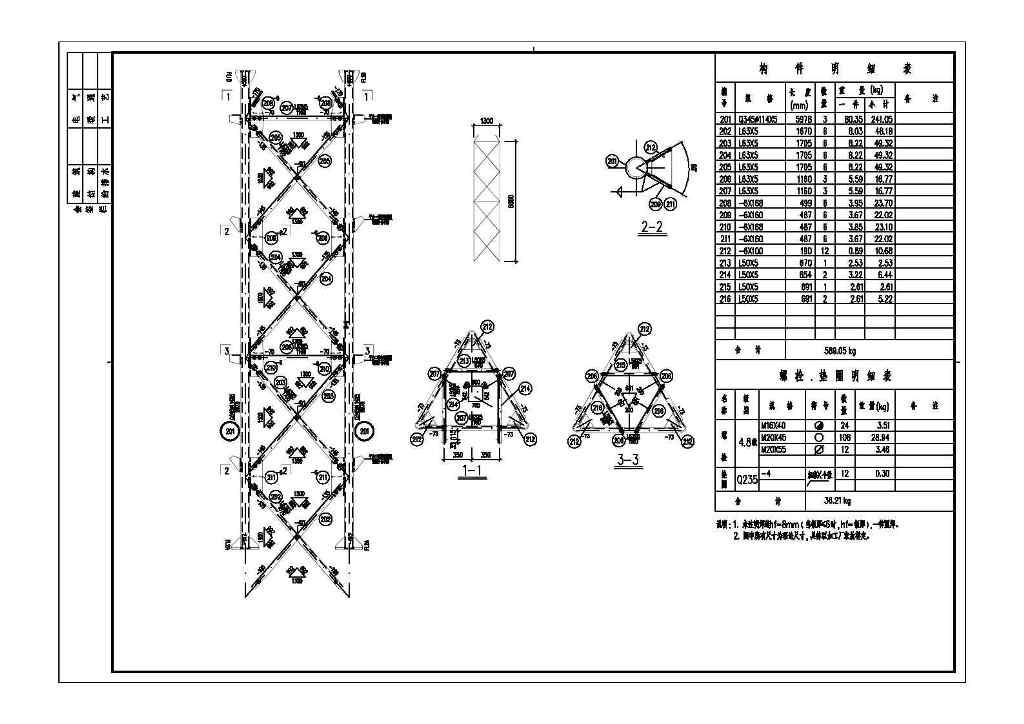
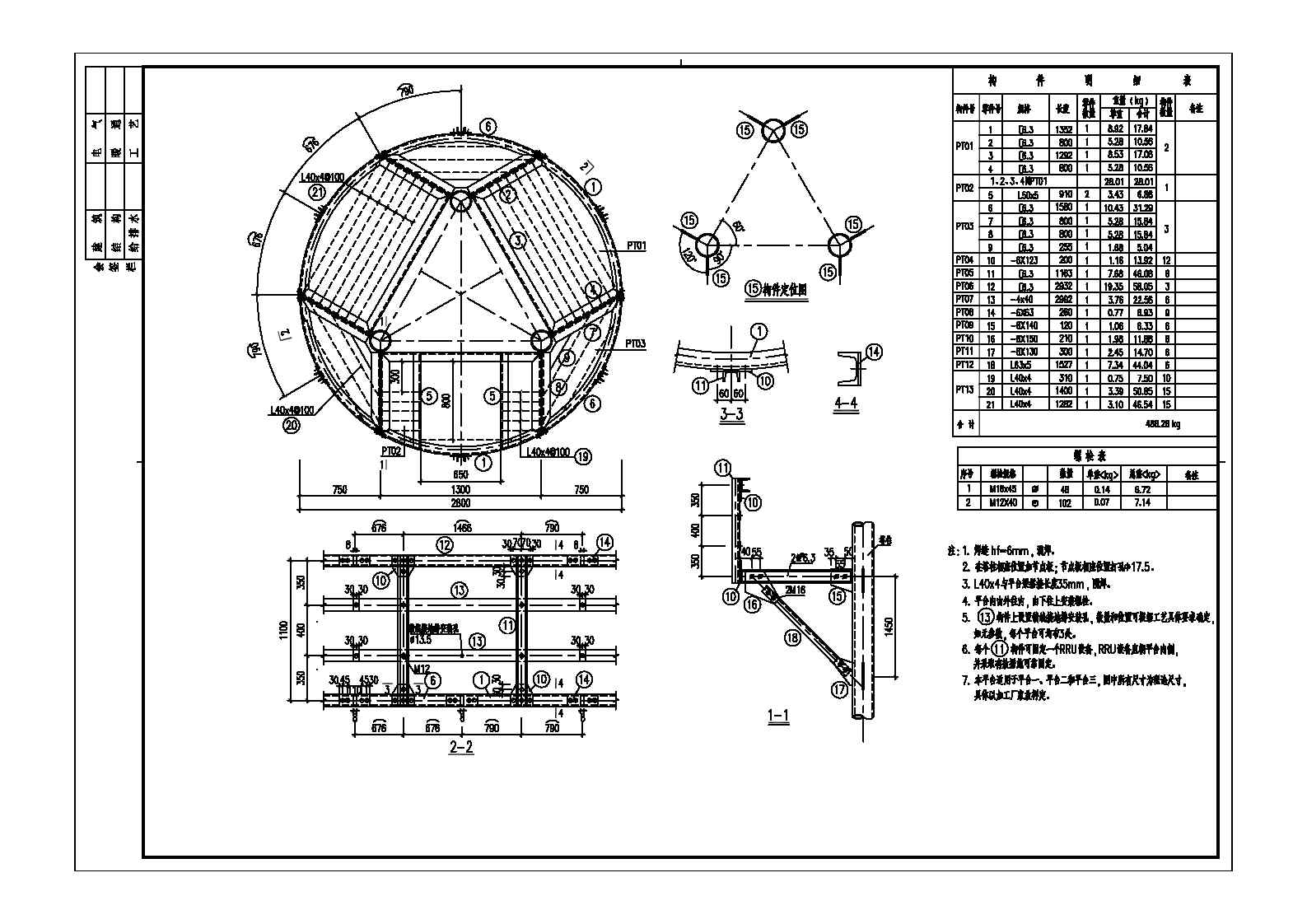
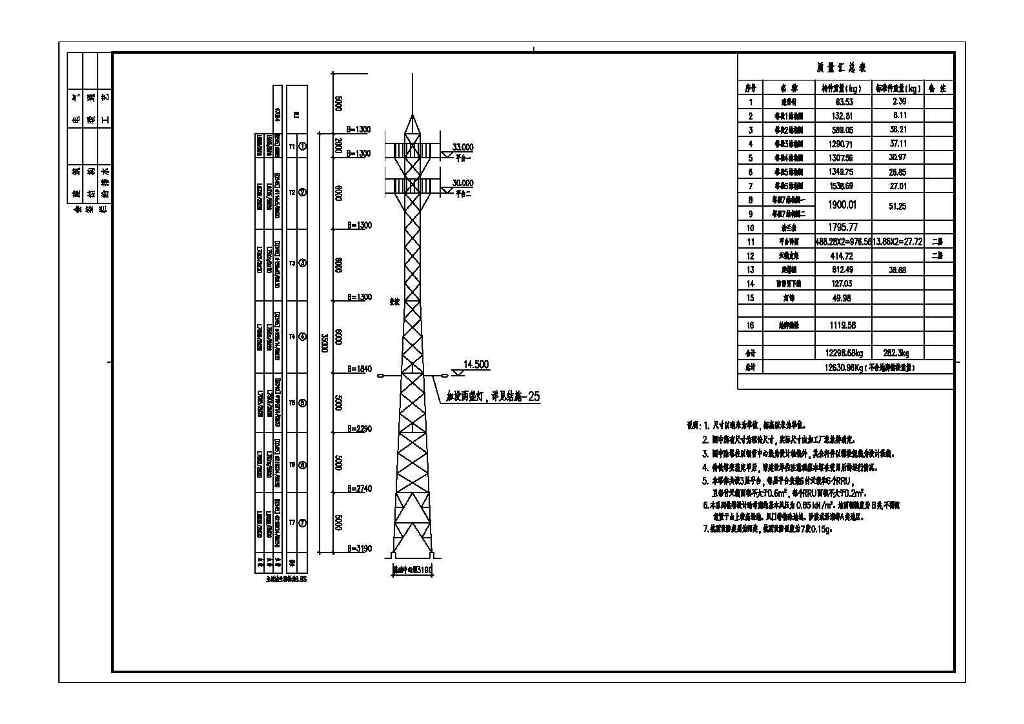
- Purpose and Location:Determine the primary use of the tower (e.g., cellular, broadcast, two-way radio, etc.).Consider the geographical location and its impact on design, including potential environmental conditions.
- Structural Integrity:Design the tower to support the weight of the equipment and withstand environmental loads such as wind, ice, and snow.Ensure the tower can handle the dynamic loads from moving antennas and other equipment.
- Height and Configuration:The tower must be tall enough to provide the necessary line-of-sight for the telecommunications equipment.Choose the appropriate configuration (self-supporting, guyed, monopole, etc.) based on the site conditions and the required height.
- Material Selection:Select materials that are durable and suitable for the climate, such as steel, aluminum, or concrete.Consider corrosion resistance and maintenance requirements in the material choice.
- Foundation:Design the foundation to support the tower’s weight and the additional loads from wind and ice.Foundations should be designed based on soil conditions and may include shallow footings, deep foundations, or piles.
- Safety and Access:Ensure the tower has safe access points for maintenance and emergency situations.Design the tower with fall protection systems and safe working platforms.
- Electromagnetic Compatibility:Design the tower to minimize interference and ensure electromagnetic compatibility with the telecommunications equipment.
- Aesthetics:In some cases, especially near residential areas, the design should consider aesthetics to blend in with the surroundings.Camouflage options like painting or adding architectural elements may be used.
- Environmental Considerations:Minimize the tower’s impact on the environment by considering the local ecosystem and wildlife.Ensure the tower design complies with local environmental regulations.
- Regulatory Compliance:Adhere to local and national codes, standards, and regulations for telecommunications towers, including zoning laws and construction codes.
- Future Expansion:Plan for potential future expansion or upgrades of the telecommunications equipment.Design the tower to accommodate additional antennas and equipment as needed.
- Cost Considerations:Balance the design with the budget constraints, considering both initial costs and long-term maintenance costs.
- Maintenance and Durability:Design the tower to be easily maintainable and repairable.Use materials and coatings that provide long-term durability with minimal maintenance.
- Seismic Design:If the tower is located in an area prone to earthquakes, it must be designed to withstand seismic activity.
Telecommunications tower design is a complex process that requires input from structural engineers, electrical engineers, environmental specialists, and architects to create a functional, safe, and cost-effective structure that meets all the necessary requirements.

If you need professional product quotations, technical & construction support, please email to us or submit the following sheet, we will contact you in 24 hours and pls check your emailbox. Your connection information will just be known by ourselves.